You had a long and successful business career, including the role of CEO, Global Banking and Markets, Americas for Royal Bank of Scotland. How did you plan for a post-career life after such a demanding job? When did you start thinking about that?
I was always concerned about what I describe as a ‘cliff-face retirement.’ Flat out, flat out, flat out, until one 6 pm Friday evening. Last day. Never had a moment to think about anything except the business priorities of the day. Then it’s over.
Then wake up Monday morning with a “and what do I do now” moment. No real hobbies, no real interests, no longer with any forced schedule or structure about your day, week, or month. Very scary. And I had seen a number of colleagues not do well when faced with those situations.
My objective. A ‘glide-path’ retirement.
The original plan was ‘flat out, full-time” then transition to consulting. A halfway house. Very busy, some stress, but more control over one’s schedule. Choosing work, not being chosen.
Then I had two core hobbies – I was a competitive track and field runner. I could spend more time on that. And I loved to travel (which a lot of people say, but I REALLY love to travel, and also write my trips up to share with friends, which I thought I may be able to expand upon.) And lastly, I wanted to track down and spend time with friends, gathered over 50 years, but never had enough time to really follow up with.
Then I had one mini-project that I would do once I retired. A 6-week project to write a little book of stories about when I first came to America 45 years ago. For fun, it would be a kind of bookend to my career. I was a useless writer, but I thought I would enjoy putting down on paper some stories I had told many times. I thought this would give me something specific to do immediately – on Monday morning.
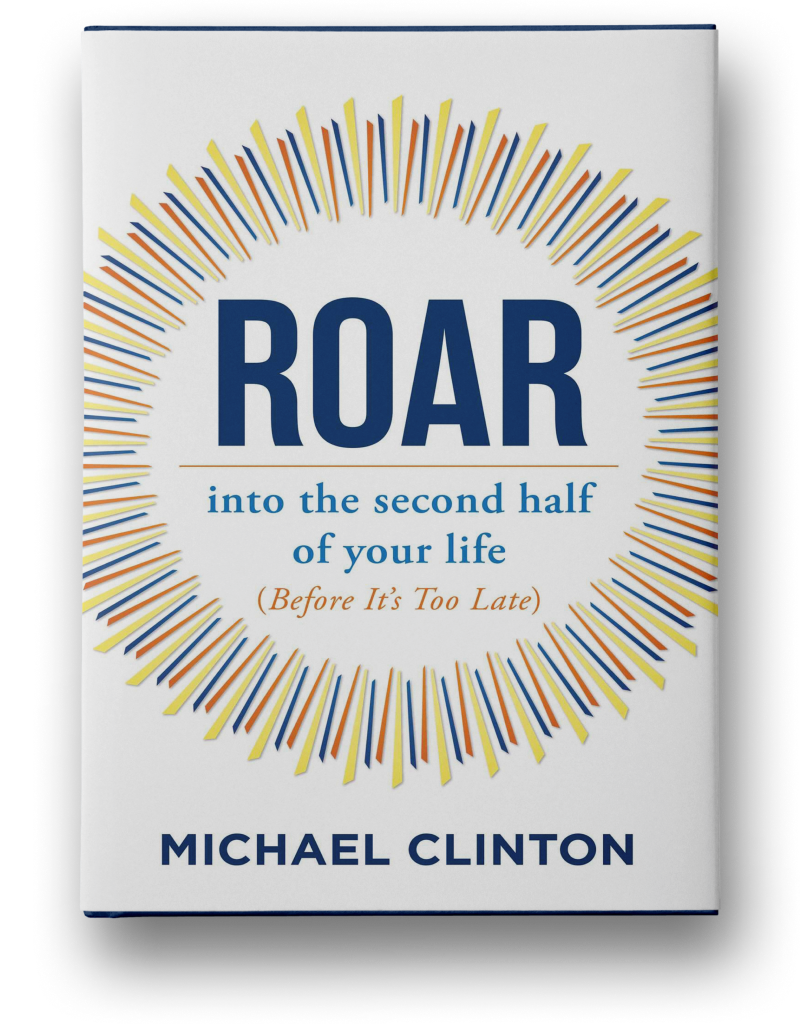
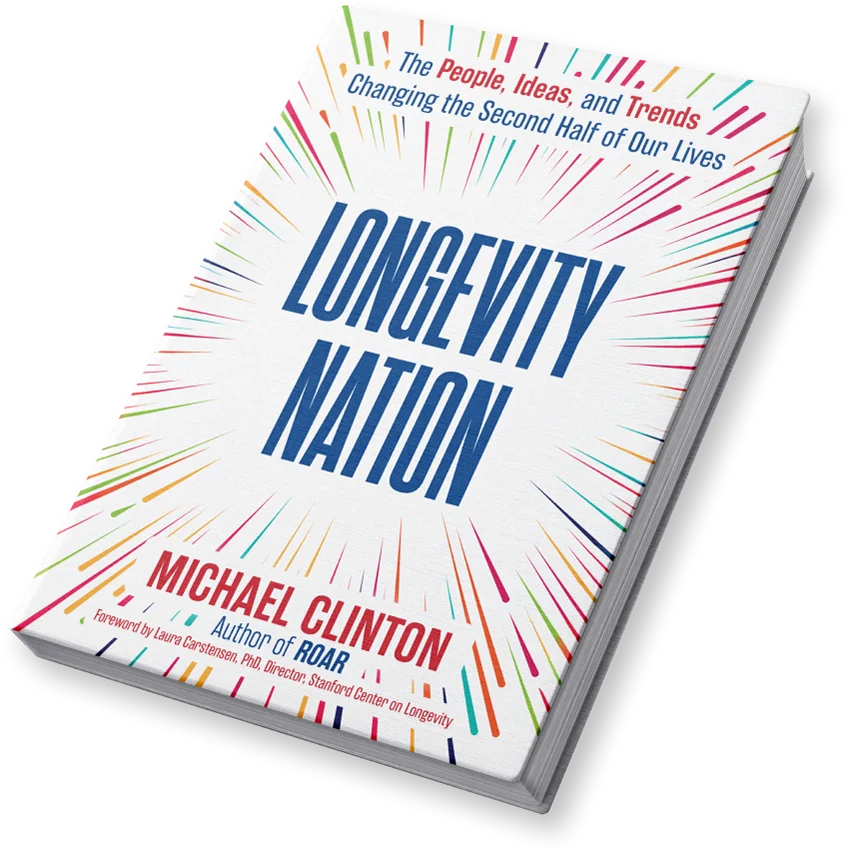
One of your big new post-career chapters was becoming an author. One of your books, Backpack, Jacket, Surfboard: My Journey Across America, Then and Now came out in 2025. Tell us about that.
Well, the book!
That book ended up being the number one-selling travel humor book in America.
Here is the thing. I did not plan to be a writer; I just had a little project to do. But I created space in my life, time to pursue interests, and time to grasp opportunities that during a working career would just pass you by. And I spent time with friends, and was curious, and everyone said – write the book!
When I started writing, I shared some of the draft stories with some friends for feedback. My intent was to self-publish, send it (no one would buy it), to the 30 or 40 friends who had said to me (after hearing one of my “Coming to America” stories), you should write that down! I thought only ten of them would actually read it, but they would call, and we would have a giggle. That was my plan.
My draft manuscript ended up in the hands of a major publishing house. Almost accidentally. They loved it. They helped me develop the stories a little; it took off.
The book storyline is that when I was at college in England, I won a scholarship to study for the summer at the Library of Congress in Washington DC. A big deal back then. Scholarship was a flight out and back, 6 weeks of cheap accommodation, and some money for food.
I sold my ticket to DC, bought one to LAX. I wanted to go surf at Malibu Beach. Thought I would surf for a week, hitchhike from LA to DC in a week, study for 4 weeks, and fly home. The trip did not go as planned, and was full of truly remarkable stories. As I went to write them down in 2024, I realized that some of it made no sense – logistically. I had 24 photos from the original trip, chronologically laid out in a photo album in the attic. I decided in 2024 that I would go back and try to retake the 24 photos from the exact same spot as back in 1980, in the hope that it would trigger a memory. The result was that the trip back generated whole new stories and a comparison and contrast of America between 1980 and 2024, layered onto a truly remarkable original trip in 1980.
Published by Advantage Media, part of Forbes Books, in August 2025, it took off immediately. I did book launch events in New York, Philadelphia, Atlanta, Dallas, and London, amongst others. In December, it reached number one. I had seven hundred individual sales of Kindle books alone on one day in December.
I have discovered a great joy in writing, telling stories, and rediscovering events of my past. Book number two, “Faster Than You at 60: The remarkable backstories of the world’s fastest masters athletes.” Will be released by Forbes in October this year. Book number 3 is “Cash Count in the Vault: How I stumbled into the rooms where financial history was made.” I am writing it now.
Note, I only sat down to start writing in April of 2024.
I still run competitively. I still travel relentlessly. I still reach out to colleagues and catch up. But I write a lot of the time – and frankly am very busy.
I research, I remain insatiably curious, and I need to connect with people to achieve all this. I found that combination very stimulating. I am about to turn 68, but I feel a little bit younger every year.
At 67, you lead a very active life, including 11 years of running Masters track, and have even won some big medals along the way. How did that all start, and share some wisdom on the importance of movement and exercise as we live longer lives.
Running is a huge part of what I do. And remember, I am not a typical runner; I am a sprinter, I run short-distance races, 200 and 400 meters.
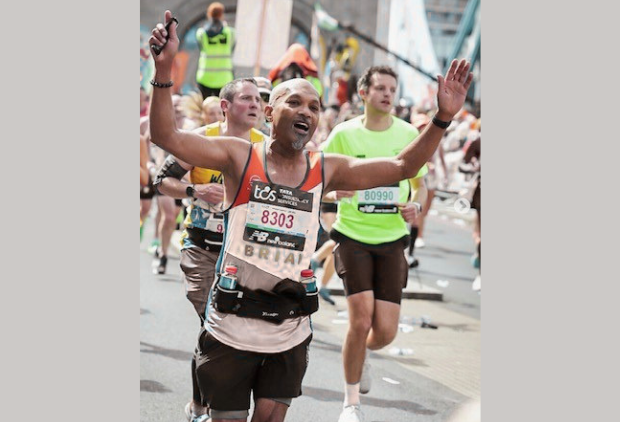
I took it up at 56 years of age. I had run the London marathon really for charity purposes, and found I was useless at long-distance running. But I liked being fit again. I had always played a lot of sports as a younger man. I recognized that in most sports, I had been quicker than others around me. So I took up sprinting. Local club. Well-known coach, who told me I run like a 400-meter runner, instinctively and by stride. Local events, city events, state events, regional events, national events, and then international and world events. A whole sport. I represented the US national Team at the World Championships in Gothenburg, Sweden, in 2024.
The sprinting gives me a lot back.
- Discipline and structure. It’s Monday, I have a workout at 8 am. Wednesday is track night with the club at 6 pm. I need to maintain a diet and hydration.
- Purpose. I am always striving to get better, always working on something, planning for the next big championship.
- Training five or six times a week, usually only for an hour, keeps me physically and mentally fit. Constant movement, blood is circulating, heart pumping, muscles getting activated. Never anything extreme. I feel better, I am better.
- Don’t miss the positives of the chemical boosts. Dopamine, endorphins. I found they kick in, and it’s a good feeling.
- Camaraderie. It’s a sport. We train together. We compete, regionally and nationally. We all meet up and share. And challenge each other and support each other.
My goals are basically to maintain my performance levels, year to year, as I grow older. It can be done.