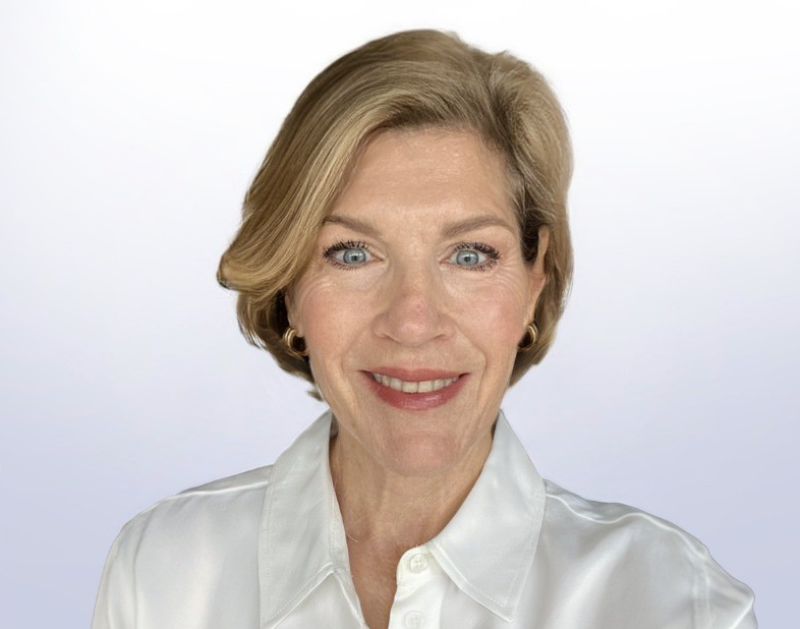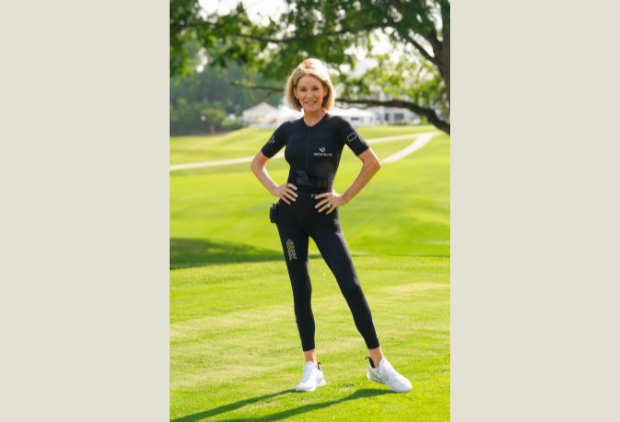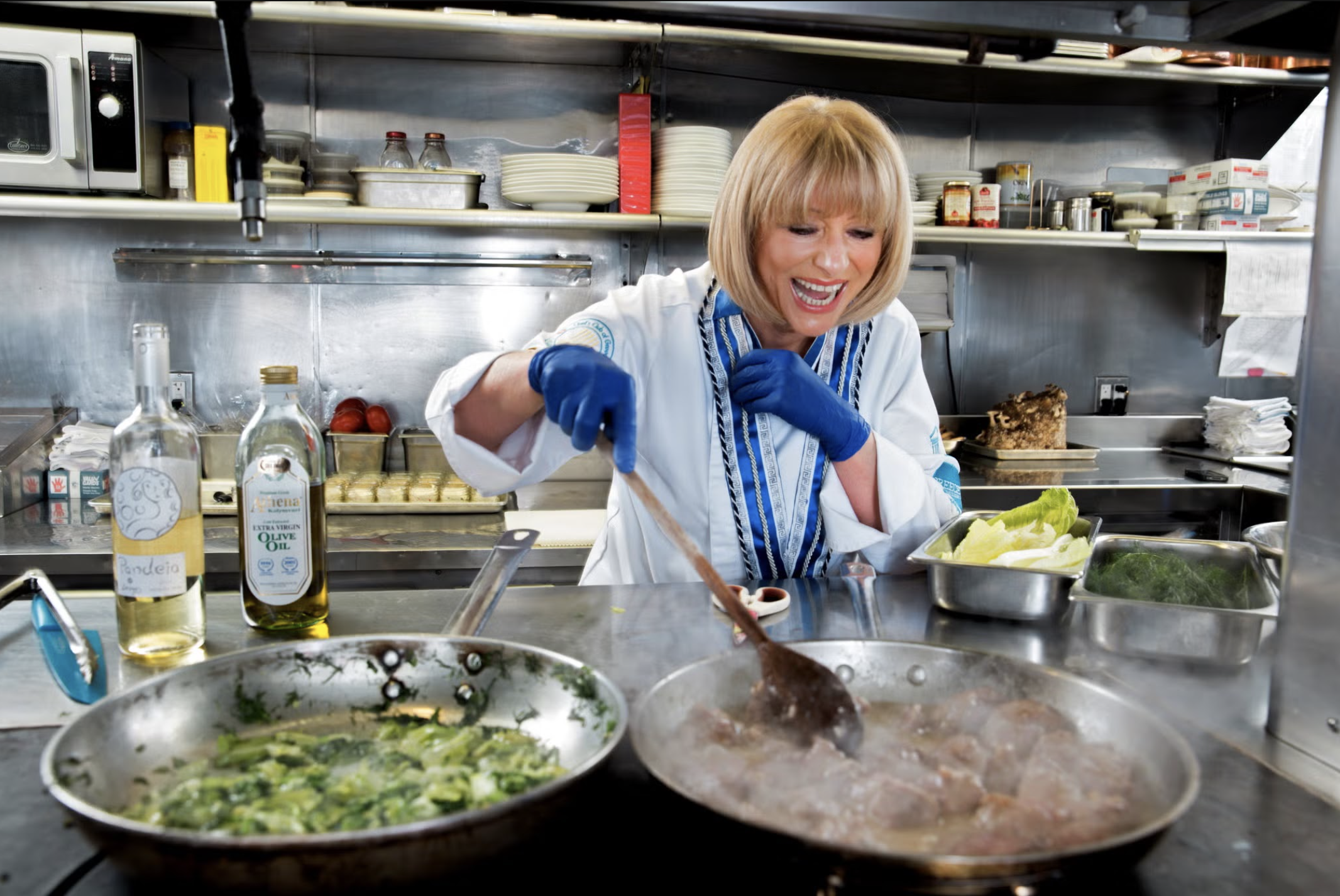
For chef, restaurateur, author, and television host Maria Loi, the starting point for living better is a decision that has little to do with what is on your plate.
“First, say to yourself, ‘I can change.’ I did it. You can do it.” That conviction connects the different chapters of Loi’s life, from high-stakes international business to restaurants, books, television, and community service. It also places her within ROAR’s vision of the New Longevity: a longer life offers room to change direction, develop new capabilities, and find new purpose.
Food is central to her approach, but her idea of living the Greek way extends well beyond ingredients. It encompasses how we spend our time, the people we bring to the table, and what we give back. “It is not only what you eat. It is with whom you eat and how you eat,” she says. “Give yourself time. Walk. Be social. It is not only the food. Today people call it a lifestyle. For us, it was simply what we did.”
The Freedom to Start Again
Before becoming a chef, Loi built a successful career as a lobbyist, specializing in conflict management. Professional achievement, however, had not brought satisfaction. Change came from an enduring habit: reading. “I read a poem by Cavafy about not making your life miserable, and I realized that although I had achieved and earned a great deal, part of my life was miserable. I said, ‘Enough is enough. I have to change.’”
Her next chapter began with a small restaurant in Nafpaktos, Greece. “I read, wrote, and cooked. Those years gave me what I needed to move in a new direction. You can change if you want to. It is never too late.”
In 2003, a visitor from the Olympic Committee tried her arugula salad and asked about it. Loi explained its connection to ancient Greek food. He asked whether she could write the official cookbook for the Athens 2004 Olympic Games. Years of research meant she was ready. She completed Ancient Dining in about 10 days. Her television work eventually included The Life of Loi: Mediterranean Secrets, which has aired for three seasons on public television.
Her experience offers an example of how an interest cultivated over time can become the foundation of a new career. The research and cooking were already part of her life. Opening the restaurant gave them a new setting and a wider audience.
Making Time for the Table
Researching Ancient Dining strengthened Loi’s belief that the context of a meal was as important as the food. “The Greeks would sit down and eat properly for an hour, and then they would discuss things for another hour, sometimes for many hours. What they had that we do not have is time.”
Her practical adaptation for a busy contemporary life: “Even if you have only half an hour, sit down and eat something from a real plate. Do not eat alone, do not grab a sandwich on the run, and do not read while you eat.”
Loi firmly believes in the power of social connection when it comes to longevity. Time spent over a meal matters as much as what is served. For Loi, this approach is part of living well, deserving the same consideration as the food itself. “Look each other in the eyes, but you have to feel those eyes in the heart.”
A Way of Cooking People Can Use
Loi’s food philosophy begins with familiar ingredients: fish, olive oil, legumes, greens, honey, and spices. “The ancient Greeks had the same ingredients we have today, things we can find even in the supermarket. But we do not respect the ingredients. We are attracted to fancy packaging, colors, and words. You do not need them. Get the real thing.”
Her enthusiasm for olive oil extends to a personal morning ritual, which she shares. “You have to have a shot of olive oil before you put your feet down from your bed.” It reflects her preference for getting nourishment from food: “Some people take fish-oil supplements. I do not do them. Real food is better.”
She is equally enthusiastic about traditional preservation methods. “Fermented food is one of the healthiest things for you because it feeds the gut with microbes,” she says. “The ancient Greeks also preserved food with salt and honey.”
Her own uses for these ingredients sometimes extend beyond the kitchen. “I even use honey on my face. It is a very good mask. Once a week I put yogurt—my tzatziki—all over my face, leave it there while I walk around the house, and then wipe it off. I am telling you my secrets!”
What Her Grandfather Knew
Behind these habits is the influence of Loi’s grandfather. “He told us to eat beans because they were good for us. He did not use words such as protein or vitamins, but he knew the beans contained what we needed. He knew that adding lemon juice could help keep you from feeling bloated.”
Olive oil was central to his teaching, too. “He understood what olive oil did, even though he did not use a word such as oleocanthal. He would point to the veins in my wrist and explain that something in olive oil traveled through the body and helped keep us healthy.”
Loi has carried that approach into her own work. “Today, through my television show and the restaurant, we coach people on eating more healthfully. We have seen people make major changes involving their weight, diabetes, blood pressure, arthritis, cholesterol. That is what I mean by eating and living the Greek way.”
Through what she calls the Loi Method, she teaches an approach that people can put into practice in their own kitchens. “We show people through my programs and at my restaurant, Loi Estiatorio. We do not fry, and we do not use butter. We use olive oil and less salt.” Her advice: take account of salt already present in ingredients, and use lemon juice to add flavor. If a salad contains feta, it does not need a salty dressing.
At her New York restaurant, Loi sees the interaction with guests as essential to the business. “It is Greek ‘philoxenia’—love for the stranger. I am at every table, and people love that,” she says. The same attention extends to her employees. “I have had the same team since day one, which is unusual in New York. We are all together. You have to trust your people, and they have to trust that you will take care of them.” During the pandemic, that commitment reached beyond her dining room. “We prepared food for doctors, nurses, older people, and about 150 unhoused people outside the restaurant every day.”
Another Chapter in Living Better
Loi’s new PBS series, Living Longer with Loi, launching on November 15, brings her approach to travel, food, and culture to a broader audience. The series also brings physicians into the discussion. “This series is a game changer because I am not alone. I bring in experts.” Among them are Dr. Orlando Gonzalez on bone health and Dr. David Majure, a heart expert at Weill Cornell and NewYork-Presbyterian. Good Housekeeping also participates, bringing Loi into a kitchen associated with a magazine she grew up reading.
Asked what changes ROAR readers could make in their own lives, Loi returns to personal agency, food, and connection. Alongside changing what is troubling them and adding greens, legumes, fish, and olive oil to their meals, she urges people to express their affection. “Speak to people. Tell them, ‘I love you.’ We have forgotten those words. Bring love to the table.”