At the height of Emmy Award-winning journalist Tamsen Fadal’s broadcast career, she began forgetting things and had no clue why she was off her game. “As a news anchor, one of the big challenges for me was brain fog,” she recalls. “I was thinking, what is wrong with me? I don’t want to be like this.”
When Fadal did some research and realized that the symptoms she experienced were tied to perimenopause, she went to her bosses and suggested they offer benefits for women who, like her, were experiencing symptoms that impacted both their work and personal lives.
The response? A resounding no.
Fadal says that conversation would likely be very different today, thanks to stats like this one from the Mayo Clinic, which estimates that $1.8 billion annually is lost in productivity due to menopause-related symptoms, and that number increases to $26.6 billion annually when medical expenses are added, in the U.S. alone. Yet only around 1 in 4 U.S. women is treated for her symptoms.
“Menopause will hit 100 percent of women in the workforce at the top of their game,” says Anne Fulenwider, co-CEO of Alloy Health, a digital platform that offers healthcare solutions for women entering menopause. Impacted by one or more of the 34 symptoms of menopause, many women scale back their careers or leadership ambitions, and companies that don’t address the issue risk losing some of their top talent.
This realization has led to a major boom in women-led, menopause-focused healthcare startups, which reports have estimated could be a $600 billion market. Pioneers include Midi Health, which accepts many insurance plans and favors the telehealth model and Alloy Health, which is FSA and HSA-eligible.
L’Oréal, for example, has partnered with Maven Clinic to launch its Menopause & Midlife Health program for employees. “We believe in supporting our teammates throughout their entire employee journey, which includes normalizing conversations around menopause and midlife health and ensuring they are aware of the resources we have in place long before they ever need to use them personally so that they can support their teams as managers and people leaders,” says Stephanie Kramer, Chief Human Resources Officer, L’Oréal North America.
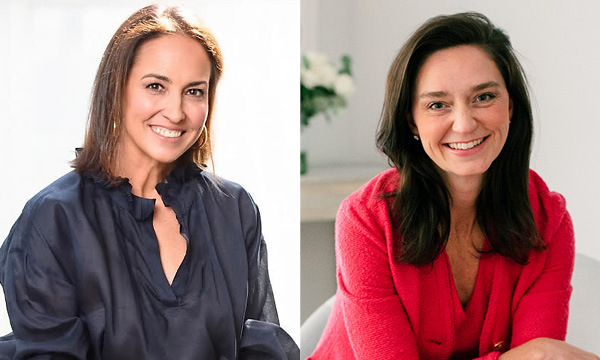
Anne Fulenwider, Alloy, and Stephanie Kramer, L’Oréal North America
Yet not all HR departments have gotten the memo. Many have not yet come around to the idea that retaining employees in their 50s and beyond benefits them for a host of reasons. For instance, the 2020 analysis by Organisation for Economic Co-operation and Development finds that age-balanced firms have lower turnover rates and stronger team performance.
“The biggest change that I would like to see is the basic recognition that menopause care is health care. It’s not a nice-to-have; it’s a must-have,” says Dr. Sharon Malone, an obstetrician-gynecologist, author of “Grown Woman Talk: Your Essential Companion for Healthy Living,” and chief medical advisor at Alloy Health.
Why This Conversation Is Happening Now
Seemingly overnight, menopause has moved from whispered conversations to mainstream discussion. “The conversations that we should have had 20 years ago, we’re now getting to have,” says Dr. Malone.
Both Dr. Malone and Fulenwider acknowledge that social media has been a conduit for conversation around symptoms and effective treatments. “My generation has always crowdsourced our healthcare, and social media has helped with that,” says Fulenwider.
It’s also helped that many high-profile public figures have shared their very personal experiences with menopause. “Michelle Obama, Naomi Watts, Halle Berry. They’re not afraid to say, ‘Yes, I’m in menopause.’ They’re helping us lose the stigma and the shame of talking about it,” observes Dr. Malone.
Both Watts and Berry started businesses targeted to women in their demographic. (Watts has Stripes Beauty, a menopause and midlife wellness brand that offers clean-ingredient skin and body care along with vaginal wellness products, while Berry’s Respin is a digital health and tech platform designed to provide comprehensive, science-backed support for women navigating perimenopause, menopause, and midlife.)
Melinda French Gates, the billionaire philanthropist, has called for a “menopause revolution” in this country, announcing recently that she’ll commit $215 million to women’s health, much of which will be earmarked for menopause and midlife health. Her initial partners include The Menopause Society, which trains healthcare workers in how to provide care during this life stage.
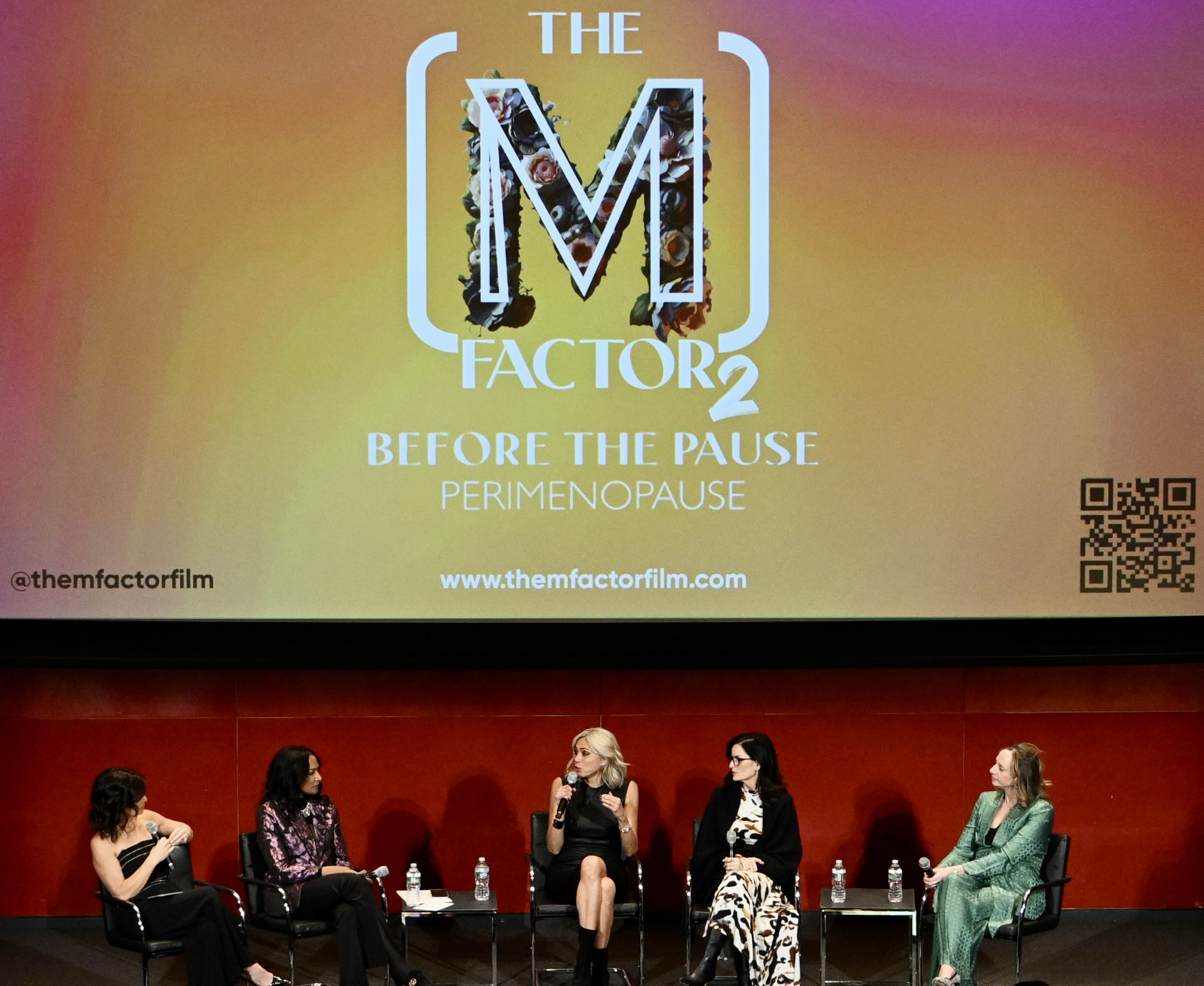
Tamsen Fadal; Dr. Jayne Morgan, Hello Heart; Dr. Rocio Salas-Whalen; Dr. Mary Claire Haver; Dr. Corinne Menn.
Journalist Tamsen Fadal has now co-produced two documentaries, “The M Factor: Shredding the Silence on Menopause” (2024) and, more recently, “The M Factor 2: Before the Pause – Perimenopause,” which both feature dozens of women who suffered because they were told their symptoms would resolve or they struggled to get care.
The Business Case: Why Employers Are Paying Attention
As U.S. workers continue to age — 23 percent of the U.S. workforce is now 55 or older, up nearly 18 percent since 2014, according to data from the U.S. Bureau of Labor Statistics (BLS) — women will likely be working longer. This raises retention concerns among HR departments, which is why many have implemented programs to both maintain older female employees and ensure they remain productive throughout their careers.
Benefits now offered by companies range from virtual menopause care and employer-sponsored telehealth to menopause education and coaching. Hearst, for example, partners with Progyny, a decade-old company that helps female employees access women’s health benefits, from fertility support to menopause care.
“The state of our workforce requires modern benefits — especially for women. Half of our workforce is female,” says Maria Walsh, Senior Vice President & Head of Global Benefits at Hearst. “Providing equitable benefits for women at all phases of their lives helps us recruit and retain the best talent.”
Through Progyny, members have access to trained coaches and Progyny Care Advocates® (PCAs) who help them understand their options and navigate their care, as well as gain access to providers with expertise in menopause care. “We believe both are essential in helping women get the right care sooner,” says Katie Higgins, Chief Commercial Officer at Progyny.
While a physician offers diagnosis and treatment recommendations, Progyny’s coaches provide ongoing guidance and support throughout a member’s journey. They help women understand their Progyny coverage, identify other employer-sponsored resources that may be helpful, prepare questions for appointments, better understand treatment options, and navigate what can often feel like an overwhelming healthcare experience.
Progyny recently surveyed its members, and more than 70 percent said they wish every healthcare experience included knowledgeable, trusted support from PCAs.
“The 24/7 virtual access to providers specializing in menopause and perimenopause is so key,” says Hearst’s Walsh. “Menopause doesn’t stop for anything.”
Hearst also offers U.S.-based female employees (25 percent of whom are over 40) digital pelvic therapy through Bloom by Sword Health, eight free therapy sessions annually through Spring Health, paid time off, mental well-being days, and the opportunity to arrange schedules with their managers based on their needs.
The Rise of the Menopause Economy
The increased awareness about menopause in recent years has been instrumental in getting companies to offer benefits to female employees. “[Women] still struggle to find providers who are experienced in recognizing and treating menopause-related symptoms,” says Progyny’s Higgins. “Perimenopause in particular can be challenging because symptoms often appear gradually and can look very different from one woman to another.”
While tens of millions of women are in perimenopause and menopause, the reality is that there are very few trained specialists. “Currently, fewer than 3,000 practitioners treat menopause patients,” says Fulenwider. In fact, a needs assessment published in the medical journal Menopause in 2023 found that just under a third of the obstetrics and gynecology residency programs it surveyed offered training on menopause, even though half of the population experiences it.
“Women are not able to find doctors who know how to treat menopause and perimenopause,” says Dr. Malone. “Digital health is an excellent opportunity for women to get all aspects of their care taken care of — education, treatment, and affordability.” While it may not seem like an optimal solution for women who value face time with their practitioners, it’s ideal for those balancing careers and caregiving who have limited time and don’t want to wait ages to see a specialist.
The Longevity Reframe
If these businesses continue to proliferate, menopause is more likely to be seen as a longevity-stage transition than a decline.
With women likely to spend a third of their lives postmenopausal and working longer than in past decades, “the conversation has to switch,” says Dr. Malone.
“We’re moving past, ‘What are my symptoms and what do I do about them?'” says Fadal. “Now, we can think about what we’re going to do for the next 30 years.”
That’s what women in midlife —and the businesses that serve them — are betting on.
Michele Shapiro is a New York City-based writer and editor. After serving as Film Editor for Time Out New York, she held Entertainment Director positions at Glamour, Seventeen, and Self, and more recently was Director of Health Content at the Studio at People Inc. Michele currently contributes wellness and travel articles to a variety of national media and loves to photograph NYC’s inexhaustible cast of characters (@wordsbymichele).