In 2025, some advertisers finally recognized what demographers have known for years: the 50+ population represents not just tremendous purchasing power but also depth, vitality, and cultural relevance that younger consumers aspire to, not dismiss.
This year’s standout campaigns shattered tired stereotypes of older adults as passive, technologically challenged, or invisible, instead showcasing them as adventurous, romantic, irreverent, accomplished, and fully engaged with contemporary life.
From rock-climbing retirees to supermodel comebacks, from beloved rom-com reunions to haute couture celebrations, these campaigns demonstrate that age is not a limitation but a dimension of human experience worth celebrating. They also prove that authenticity, representation, and creative excellence are not just good ethics — they are also good business.
The 2025 Best of the New Longevity Video Ads

Michelob Ultra: “The Ultra Hustle”
Why it works: Casting Willem Dafoe, 70, and Catherine O’Hara, 71 — two actors known for complex, often unconventional roles — signals that Anheuser-Busch InBev’s Michelob Ultra is targeting sophistication and humor rather than stereotypes. These are not celebrity spokespeople playing safe; they are distinctive personalities whose very presence elevates the brand narrative. The campaign works because it assumes its 50+ audience appreciates wit, irony, and artistic credibility rather than the usual simplified beer messaging.
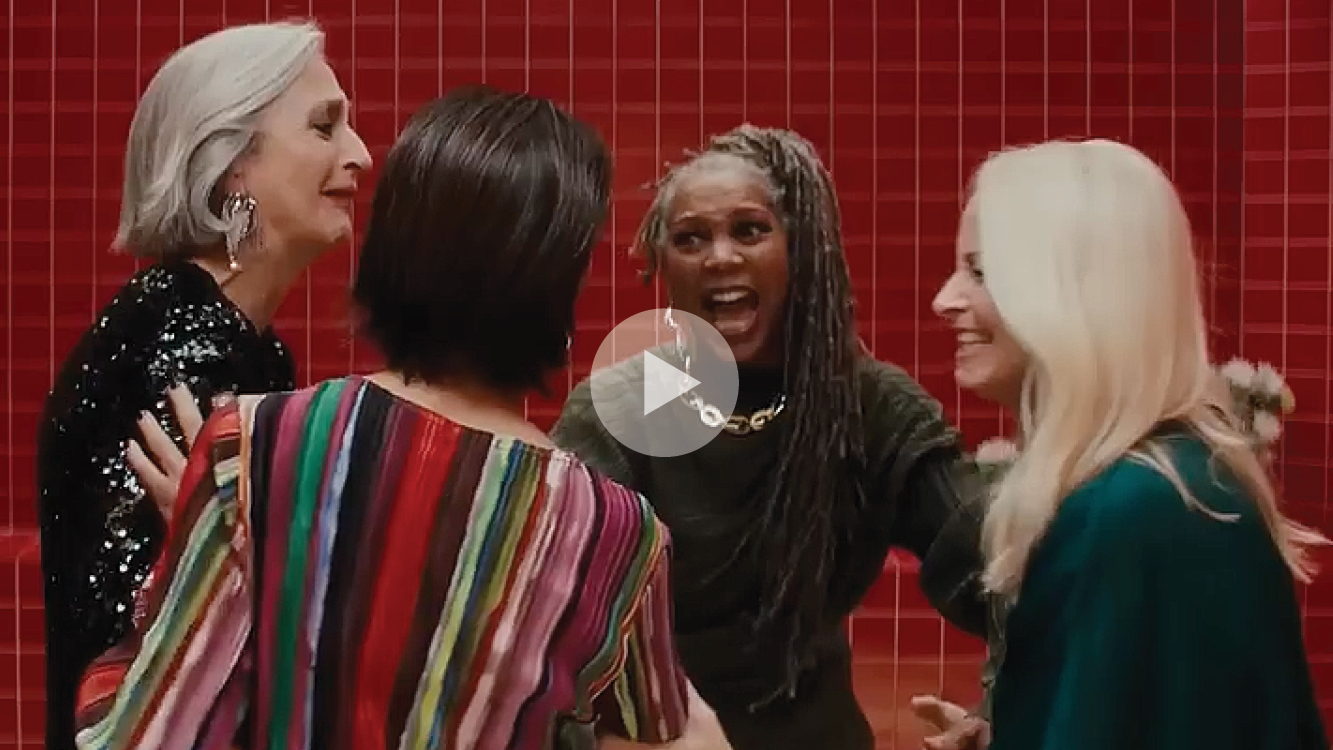
Sephora: “We Belong to Something Beautiful”
Why it works: In an industry historically obsessed with youth, LVMH-owned Sephora’s inclusive approach represents a genuine shift in how beauty brands conceptualize their audience. By featuring diverse ages, ethnicities, body types, and style expressions, the campaign positions beauty as a universal human experience rather than a narrow demographic category. The “We Belong to Something Beautiful” messaging creates emotional rather than transactional appeal, inviting older consumers into a community rather than segregating them into a “mature” product ghetto.
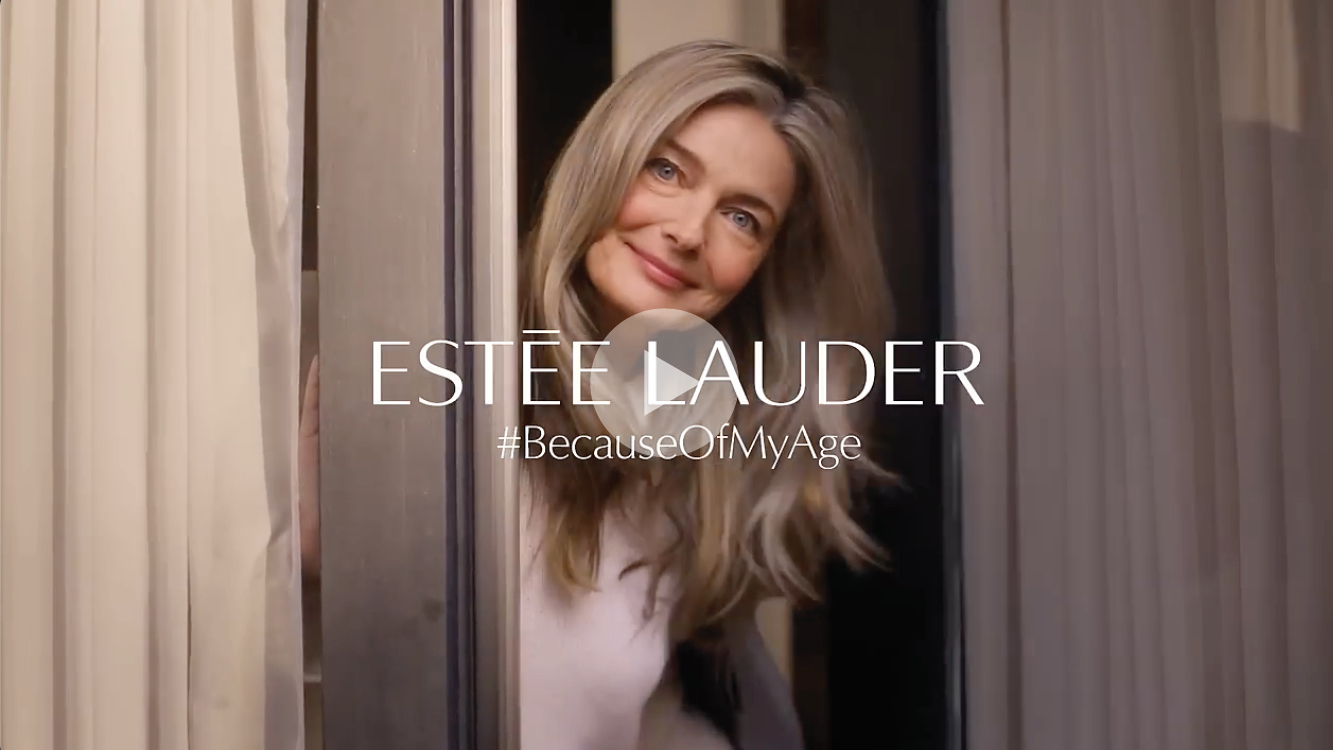
Estée Lauder: “Because of My Age”
Why it works: 1980s supermodel Paulina Porizkova’s re-emergence as a part of the Estée Lauder “Because of My Age” campaign represents one of the most powerful statements in beauty marketing this year, particularly given her public discussions about ageism in the fashion and beauty industries. The campaign works on multiple levels: it validates Porizkova’s continued relevance at the age of 60, positions Estée Lauder as a brand with the confidence to celebrate rather than erase age and grants older consumers permission to invest in premium beauty products without apology.

Prudential: “Everyone Has Something to Protect”
Why it works: Financial services ads often scare older audiences with heavy-handed messages about security and decline. Prudential’s “Something to Protect” takes a radically different approach by focusing on legacy, accomplishment, and the meaningful connections that give life purpose at any age. By showing 50+ people as active creators and protectors of personal and financial legacy, the company elevates the conversation through the emotional resonance that comes from recognizing that having “something to protect” is evidence of a life well-lived, and a life ongoing.

Switzerland Tourism: “Beautiful Autumn”
Why it works: Casting Halle Berry for Switzerland Tourism is a masterclass in aspirational marketing. Berry – nearly 60 years old – remains one of Hollywood’s most glamorous personalities and she brings both star power and comedy to her pas de deux with Swiss tennis star Roger Federer. Switzerland Tourism positions itself itself as the destination for people who refuse to age out of adventure or luxury experiences but don’t take themselves or their destinations too seriously.

Aspercreme: “Rock Climb”
Why it works: This campaign brilliantly subverts expectations by opening on a rugged outdoor scene where the protagonist is gearing up for a grueling rock climb. The spot makes pain relief relatable without being patronizing, positioning it as an enabler of adventure rather than a concession to limitation. Its authenticity and emotional resonance transform a functional product into inspiration.
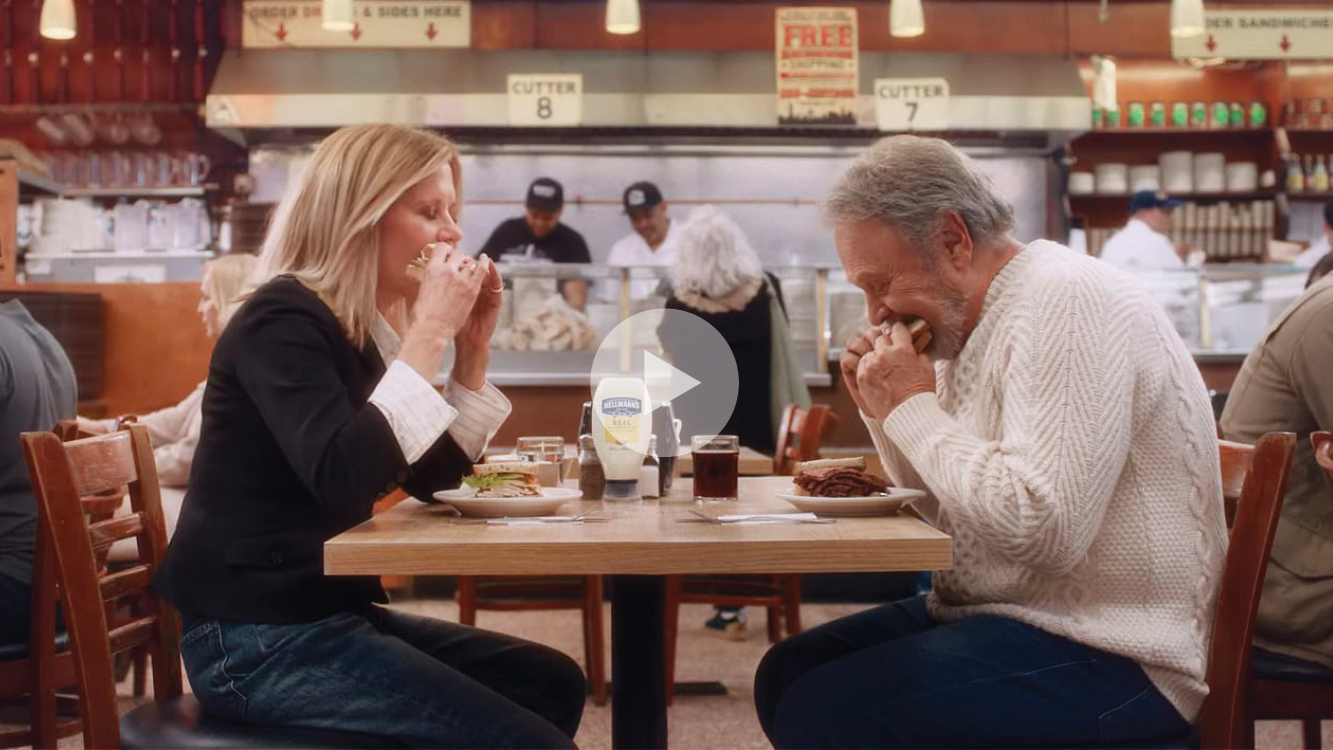
Hellmann’s: “When Sally Met Hellmann’s”
Why it works: The reunion of Billy Crystal, 77, and Meg Ryan, 64, taps into powerful nostalgia while proving these stars have lost none of their comedic chemistry or cultural relevance. Unilever’s Hellmann’s positions the legendary actors as still vibrant, still funny, and still capable of commanding attention 35 years after the original famous scene. The addition of rising TV actress Sydney Sweeney as the “payoff” brings a welcome cross-generational twist to the spot.
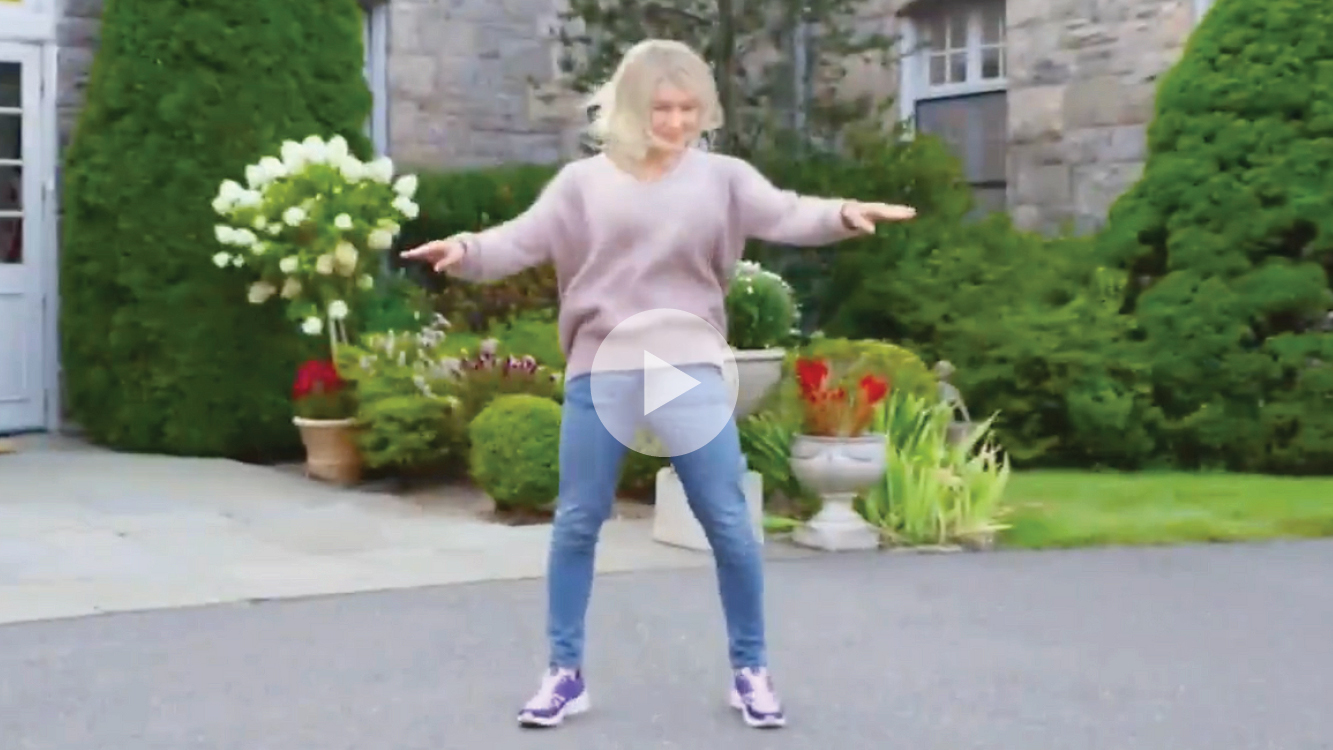
Skechers: “Drop a Beat”
Why it works: Martha Stewart has spent decades building an empire on the premise that excellence and accessibility are not contradictory, and this Skechers ad extends that approach. Skechers simultaneously benefits from Stewart’s enormous brand equity and tweaks the notion that the slip-ons are for an older customer by having the 84-year-old Martha breakdance like a teen. The messaging blends Martha’s power, her energy, humor, and a commentary on the product’s demo target.

Manulife: “Where Will Better Take You?”
Why it works: Few campaigns this year matched the pure inspirational power of Manulife’s feature on photographer Kazumi Kurigami, who demonstrates that creativity, passion, and professional achievement have no expiration date. Rather than positioning insurance as protection against decline, Manulife shows it as the foundation that enables continued growth and artistic pursuit. At 89, Kurigami remains a working artist, and Manulife positions itself as the partner that makes such lives possible.
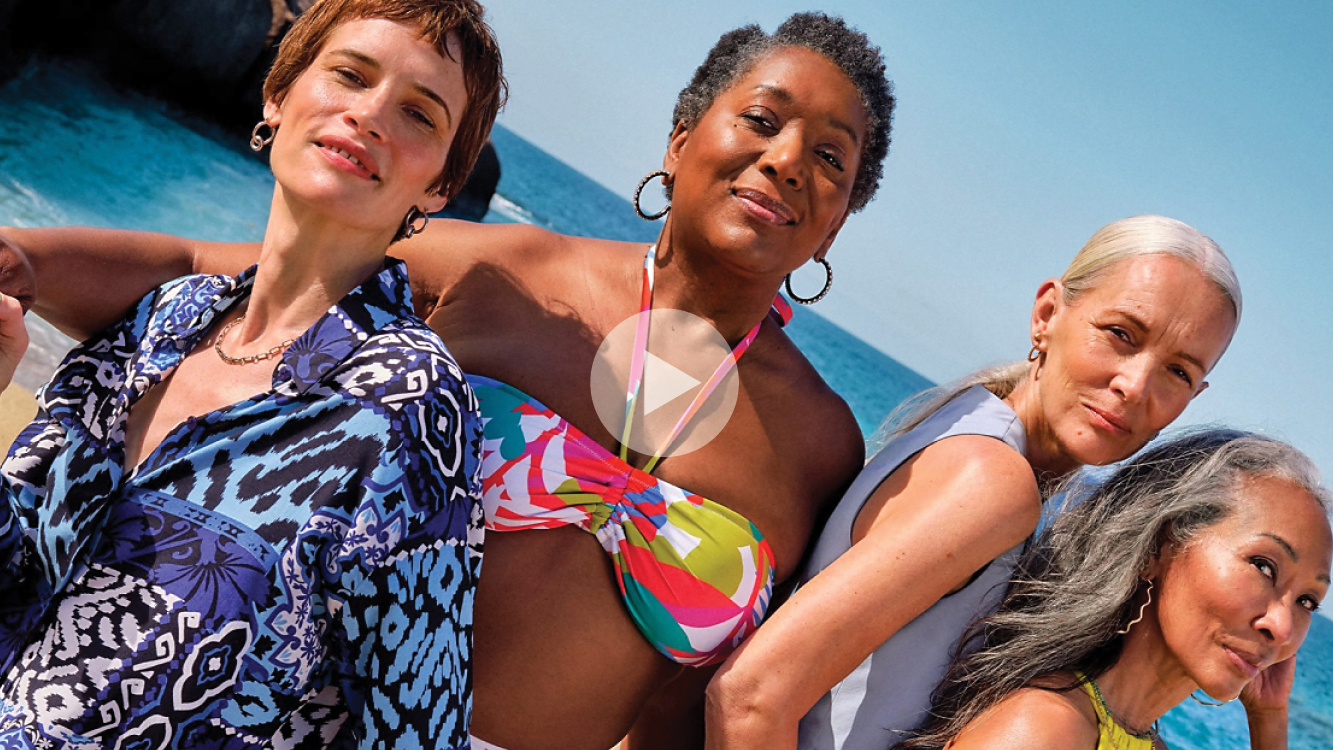
JD Williams: “We See You”
Why it works: N Brown Group’s UK-based online retailer JD Williams’s continuation of the “We See You” theme features the empowering slogan, “Admit It, This Age Thing Suits You.” Featuring middle-aged models who are celebrating their age, this is not just a one-off initiative but ongoing brand positioning. JD Williams avoids a common mistake of advertisers assuming audiences have a short memory or limited loyalty by celebrating women 40+ in ongoing campaigns.
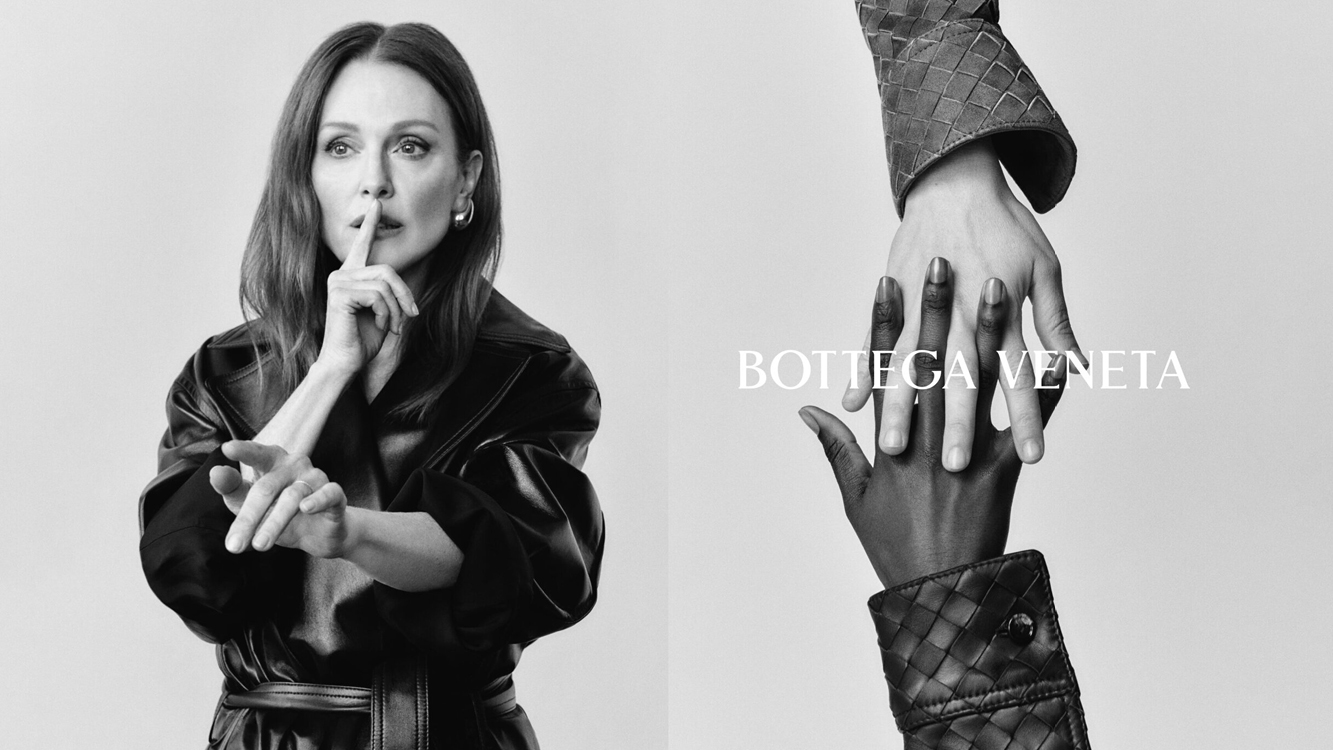
Bottega Veneta: ‘Craft Is Our Language’
Why it works: Julianne Moore’s Bottega Veneta print campaign “Craft Is Our Language” is an acknowledgment that elegance, sophistication and desirability are hardly exclusive to youth. Moore — an actress who, at 64, is celebrated for her intelligence and craft as much as her longevity in youth-obsessed Hollywood. She brings gravitas and glamour to a campaign for a brand that understands understated luxury aesthetic. This celebration of a woman in her sixties represents both a commercial and cultural statement.
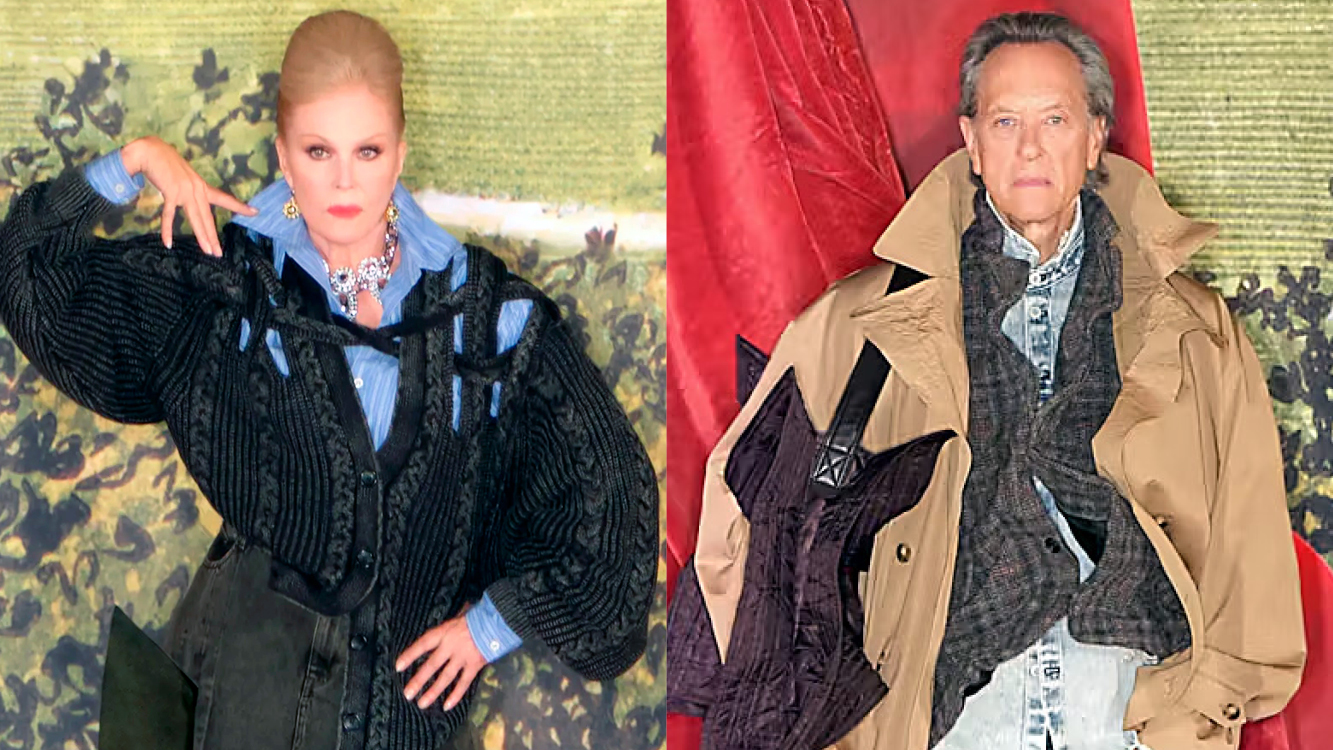
H&M x Glenn Martens Collection: “Wrong in the Right Way”
Why it works: The ads for H&M’s collab with Glenn Martens (designer for Maison Margiela) focus on Richard E. Grant, 67, and Joanna Lumley, 78, both performers who are known for their eccentric roles. Casting and posing them as regal, commanding figures in the “Wrong in the Right Way” campaign celebrates both their, and the brand’s, originality and wit. H&M, a company often thought of as a youth focused brand, takes an idiosyncratic approach, playing against stereotype by being a little cheeky, inclusive, and celebratory rather than youth obsessed.
See ROAR forward’s top New Longevity Ads of 2024 HERE.